Power plants are environments where control systems have to cope with huge loads without failing and for such demands the SIMATIC S7 400 PLC has long been the backbone. This article reviews its redundancy mechanisms to ensure uptime, its centralized oversight through integration with SCADA and its conformity with energy operations regulatory frameworks. We’ll discuss its modular architecture, its practical deployment in generation facilities and ties to components such as SINAMICS drives. With phase-out starting in 2025, we’ll also talk about legacy support via Naksh Technology Solution LLP highlighting why it matters to power engineers today.
Overview: Key Takeaways on SIMATIC S7 400 in Power Plants
- Redundancy Options: Support hot standby with automatic failover in milliseconds with synchronized CPUs for continuous turbine and grid control.
- SCADA Ties: Connects to WinCC or PCS 7 via Profinet for real-time boiler monitoring and alarm management.
- Regulatory Alignment: Complies with IEC 61131-3 for programming and ISO 13849 for safety, and supports NERC CIP cybersecurity and EU grid stability rules.
- Power-Specific Features: Handles high I/O counts to support load balancing; extended support until 2030 despite 2025 phase-out.
- Drive Compatibility: Works on top of SINAMICS V20 motor control with frequency converter basics like vector modes for pump operation..
Power Plants: Where Reliability Meets High Stakes
In power generation facilities, control systems schedule everything from fuel supply to voltage distribution, with precision required in face of varying demands. Here the SIMATIC S7 400 PLC serves as a scalable platform for a thermal, hydro or even a renewable setup, with a constant output during peak loads. Its design is based on robust processing for real time decisions such as adjusting generator speeds on grid feedback.
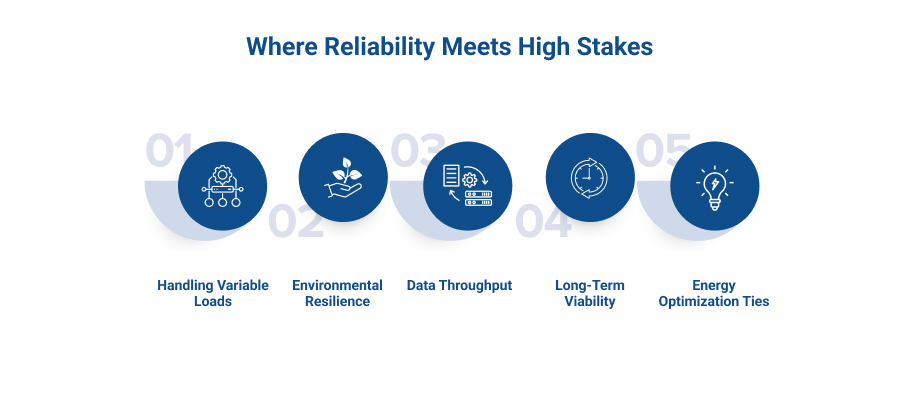
- Handling Variable Loads: Balances phases on inputs from current transformer and relay to prevent overloads in transmission lines.
- Environmental Resilience: Works in high vibration areas near turbines in enclosures designed for dust and humidity typical of coal or gas plants.
- Data Throughput: Thousands of I/O points from analog signals for steam pressure monitoring to digital outputs for circuit breakers control.
- Long-Term Viability: Backward compatibility with earlier modules allows incremental upgrade of aging facilities without total overhaul.
- Energy Optimization Ties: Links to drives for variable speed control using Siemens V20 energy savings functions on idle auxiliaries such as cooling fans during off-peak hours.
Unpacking the SIMATIC S7 400 PLC
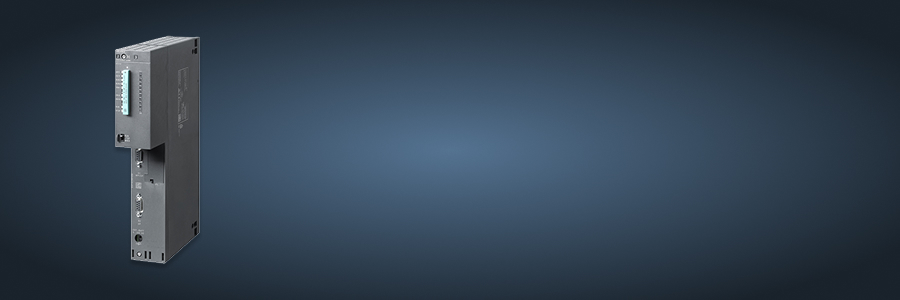
The SIMATIC S7 400 is a modular rack based PLC for process intensive applications in energy production. Siemens engineered it with high performance CPUs that execute logic cycles supporting basic relay replacements up to complex PID loops supporting boiler feedwater control. As of 2025, it is in phase-out but still functions fully with spare parts available from authorized channels.
- CPU Variants: Including entry level 412 models for substation automation up to high end 417 units processing up to 16 MB of memory for grid synchronization tasks.
- Modular Expansion: Stacking of power supplies, interface modules and function cards allows custom configurations for monitoring of reactor coolant in nuclear adjacent sites.
- Communication Interfaces: Incorporates Profibus DP on fieldbus connections and Ethernet on higher level networking for data exchange with plant historians.
- Programming Environment: Uses STEP 7 software for ladder or function block diagrams and programming SINAMICs V20 via interface, USB, web / Smart Access for drive parameters matching PLC logic.
- Failsafe Capabilities: Included certified modules for safety functions to meet plant interlock requirements for emergency shutdowns.
Redundancy: Ensuring Uptime in Critical Operations
Redundancy in power plant controls prevents single points of failure from turning into outages and this is what the SIMATIC S7 400 PLC delivers in hardware and software layers. Its high availability configurations keep systems operational in the face of mirrored operations between units, important for steam cycles or hydroelectric gates when a component has failed.
- Hot Standby Mechanism: Two parallel CPUs with fiber-optic synchronization take backup control without process interruption.
- Multi-Rack Distribution: Supports four racks in redundant setup with I / O distributed over generator halls for fault tolerant valve actuation.
- Automatic Failover: Senses first-order faults via heartbeat signals and switches in less than 10 milliseconds to maintain frequency regulation.
- Integration with Drives: Coordinate redundant motor controls with SINAMICS V 20 Smart Access module for remote diagnosis during failover events.
- Testing Protocols: Simulation modes in STEP 7 allow redundancy verification without interfering with live generation with focus on recovery.
Have questions about scalability or redundancy? Learn more in our S7-400 PLC guide.
SCADA Integration: Centralized Command for Plant-Wide Visibility
Power plants use SCADA systems to aggregate data from field devices to operator stations, and the PLC S7 400 integrates natively for this flow. It communicates via standard protocols allowing engineers to visualize and intervene in fuel combustion or transformer monitoring from a common interface.
- Direct Connectivity: High speed data transfer to WinCC using Profinet mapping PLC variables to SCADA tags without custom scripting.
- Alarm and Event Handling: Messages from CPUs are sent to PCS 7 for priority alerts regarding overcurrent in feeders.
- Trend Analysis Tools: Log process values for historical review supporting predictive maintenance of pumps driven SINAMICS units based on process values logging.
- HMI Customization: Allows creation of graphical interfaces in STEP 7 for displaying real time metrics from boiler drums or excitation systems.
- Drive Monitoring Extension: V20 status feeds energy consumption data via web access into SCADA for load shedding optimization.
Regulatory Considerations for the SIMATIC S7 400 PLC
Regulatory bodies impose strict standards for power plant automation and the SIMATIC S7 400 PLC complies with these standards through certified designs and traceability. It supports documentation needs for audits ranging from cybersecurity to functional safety in grid-connected facilities.
- IEC 61131-3 Adherence: Structures code into reusable blocks to simplify validation of control loops for turbine governor.
- ISO 13849 Compliance: Performances are achieved for safety functions such as safe torque off in auxiliary motors.
- Cybersecurity Measures: Access controls and encrypted channels meet NERC CIP requirements for critical infrastructure protection.
- Grid Stability Standards: Allows logging of ENTSO-E or CEA reports and synchronization events at plant starts.
- Drive-Related Certifications: Assists with compatibility with V20’s energy functions for emission reduction directives compliance with efficient converter operation.
Implementation Steps for Power Plant Deployments
The SIMATIC S7 400 PLC has to be deployed in a power plant planned to match the existing infrastructure and future needs. Evaluating control requirements first, then building out the system from the ground up including redundancy and SCADA.
- Site Assessment: Review I/O needs of sensors in switchyards & actuators in control rooms and identify integration points with legacy equipment.
- Hardware Configuration: Select CPUs/modules and mount them in racks with redundant power supplies for uninterrupted operation.
- Software Development: Coding logic in STEP 7, including drive interfaces like USB for V20 setup for variable frequency tasks.
- Redundancy Setup: Configure hot standby pairs & test synchronization over dedicated links to verify failover in simulated faults.
- SCADA Linking: Map data tags to Windows CC or PCS 7, create dashboards for voltage stability monitoring.
- Compliance Verification: Run audits against standards & document code/hardware for regulatory submissions.
- Commissioning and Training: Live with phased testing & train operators on web-based drive adjustments.
We Anchor Power Reliability with Siemens at Naksh Technology
With the SIMATIC S7 400 PLC you get robust redundancy for failover, SCADA integration for oversight and regulatory compliance built in power plants. Its modular design meets high I/O demands while motor efficiency via smart programming and energy functions are further enhanced via ties to SINAMICS V20. Its legacy is still represented by spares and migration paths to newer systems despite the 2025 phase-out.
At Naksh Technology Solutions LLP, we are your Siemens automation specialists and stock the SIMATIC S7 400 PLC components & drives for global export Our experts guide upgrades, from V20 web programming to full PCS 7 rollouts, serving global clients in energy and beyond. Drop us an enquiry let’s discuss your plant’s needs and craft a resilient solution.
FAQs Related to SIMATIC S7 400 PLC
Q: What is the SIMATIC S7-400 PLC and why is it used in power plants?
A: The SIMATIC S7-400 is a modular, industrial PLC platform designed for large, complex control tasks. Power plants use it for reliable, deterministic control, easy scalability, and support for redundant and high-availability architectures.
Q: What redundancy options are available for the S7-400?
A: Common redundancy options include CPU/processor redundancy (hot standby), redundant power supplies, duplicated I/O channels, and network redundancy. These layers limit single-point failures and help maintain continuous operation during faults.
Q: How does PLC redundancy improve plant uptime?
A: Redundancy allows a backup component (CPU, power supply or network path) to take over automatically if a primary component fails, minimizing downtime and preventing process interruptions that could impact safety or grid stability.
Q: How is the S7-400 integrated with SCADA systems?
A: Integration is typically via industrial protocols (OPC/OPC UA, Modbus, Profibus/Profinet, etc.) or vendor-specific drivers; engineers map process tags, design data exchange rates, and configure alarms, historian logging, and commands for supervisory control.